







Description
WWII Imperial Japanese Navy Type 99 Mark 1 Model 2 Modification 1 20mm Aircraft Cannon Rear Receiver Section – Toyokawa Serial 3188
Item Overview
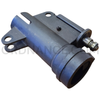
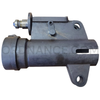
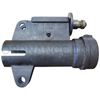
This original WWII Japanese component is the rear receiver and recoil-mechanism section from a Type 99 Mark 1 fixed 20mm aircraft cannon. The gun served with the Imperial Japanese Navy Air Service and was built for installation in an aircraft, rather than for handheld use. This partial assembly is presented as a reported American bring-back war trophy. It is not a complete cannon.
Identification and Features
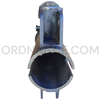
The Japanese nomenclature, Toyokawa Arsenal mark, serial number, and date remain visible on the side. Serial 3188 is repeated on the circular end ring, showing that it was matched to the numbered receiver assembly. The heavy machined-steel construction includes the cylindrical rear housing, mounting lugs, side plate, access opening, and a projecting shaft associated with the recoil-mechanism winding system.
- Japanese marking: 九九式二十粍一號固定機銃二型改一
- English translation: Type 99 20mm Mark 1 Fixed Aircraft Gun, Model 2, Modification 1
- Arsenal mark: 豊, indicating Toyokawa Naval Arsenal
- Receiver serial number: 3188
- Matching end-ring number: 3188
- Date marking: 昭18.8.1
- Western calendar date: August 1, 1943
Marking Translation
The inscription breaks down as 九九式, or Type 99; 二十粍, or 20 millimeter; 一號, or Mark 1; 固定機銃, or fixed aircraft gun; and 二型改一, or Model 2, Modification 1. The Japanese term 機銃 can be translated literally as machine gun, but this 20mm weapon is normally described in English as an aircraft cannon or autocannon. It should not be confused with the unrelated Japanese Army Type 99 7.7mm light machine gun.
Function of the Rear Receiver Section
This section formed the rear portion of the complete cannon and supported parts of its operating and recoil system. On the complete gun, the recoil mechanism and main spring returned the moving parts after each shot. A winding handle or brace engaged the rear mechanism to compress the main spring. The barrel, forward receiver, ammunition magazine, aircraft mounting equipment, and other major operating parts are not included with this receiver section.
Documented Aircraft Application
The fixed Type 99 Mark 1 was installed in Imperial Japanese Navy aircraft and is best known as the wing cannon of early Mitsubishi A6M Zero fighters. The A6M2 carried two forward-firing 20mm cannon in its wings, together with two 7.7mm machine guns in the nose. Period American technical material identifies the Type 99 Oerlikon-pattern cannon as equipment used on the aircraft known to the Allies as the “Zeke.” The markings identify the cannon model, but they do not connect this receiver to a specific aircraft or squadron.
Model 2 Modification 1 History
The Type 99 Mark 1 was Japan’s licensed development of the Swiss Oerlikon FF-series aircraft cannon. Japan began acquiring Oerlikon aircraft guns during the 1930s and later produced related weapons for the Imperial Japanese Navy. The Model 2, Modification 1 was a recognized fixed-gun version in service by 1942. An exact example photographed by the Australian Army in 1945 was also identified as a Toyokawa-made Mark 1, Model 2, Modification 1. This receiver’s August 1943 date places it during the main wartime production period.
Mitsubishi A6M Zero History
The Mitsubishi A6M Zero entered Japanese naval service in 1940 as a long-range carrier fighter. Its light structure, range, and turning ability made it a serious threat during the opening years of the Pacific War. The pair of wing-mounted 20mm cannon gave the Zero greater striking power than aircraft armed only with rifle-caliber guns. Later Zero models received updated Type 99 Mark 2 cannon with higher performance, but the Mark 1 remained closely tied to early A6M combat service.
Type 99 Aircraft-Cannon System Background
The Mark 1 family used the short 20×72mmRB Oerlikon-type cartridge and was commonly supplied by an overhead drum magazine. A wartime U.S. technical table recorded the complete Model 99 gun as approximately 55 inches long, 57.5 pounds, and capable of about 450 rounds per minute with a 60-round drum. It listed ball, incendiary, armor-piercing, and high-explosive ammunition. These figures describe the complete aircraft cannon examined during the war, not this detached receiver section.
History of Use
Type 99 Mark 1 cannon armed Japanese naval aircraft during operations across China, Southeast Asia, and the Pacific. A6M2 fighters carried them during the early carrier battles and from land bases throughout the island campaigns. Captured cannon were examined by Allied technical teams, displayed as enemy equipment, and sometimes adapted for emergency ground use. Surviving receiver sections are tangible reminders of Japanese naval aviation and the Allied recovery of enemy equipment.
Condition
The photographs show a dark blued or blackened finish with visible machining marks, scratches, rubbed edges, scattered oxidation, and finish loss around the circular flange and projecting shaft. The principal Japanese inscription, date, Toyokawa mark, and serial numbers remain legible. This is an incomplete rear receiver and recoil-mechanism section; the extent of any internal parts cannot be confirmed from the visible opening. The bring-back history is reported provenance, and no capture papers are shown. All ordnance is inert.
Ideal For
This clearly marked wartime component offers strong display value without requiring the space needed for a complete aircraft cannon.
- Imperial Japanese Navy aviation collections
- Mitsubishi A6M Zero displays
- WWII aircraft-armament research
- Japanese arsenal-marking collections
- Documented war-trophy and battlefield-recovery displays
Approx length 8", Approx width 4", Approx height 8", Approx weight 6.2lbs.
Pictures are stock images of our inventory. Unless otherwise noted, you will not be receiving the exact item shown in the pictures. The pictures are representative of the item’s general condition. The item you receive might be slightly better, or worse, condition than was shown in the pictures.
Please visit our page about order lead times here: Order Lead Times.