



Description
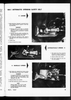
U.S. Air Force Type MA-1 Automatic-Opening Aircraft Safety Lap Belt, P/N 53B3000-1
Item Overview
This original U.S. Air Force Type MA-1 automatic-opening aircraft safety lap belt was designed for use with compatible early Cold War ejection-seat systems.
The MA-1 secured the pilot during normal flight but could open automatically after an ejection. This allowed the pilot to separate from the seat and helped arm the automatic parachute-opening system.
This was specialized ejection-seat equipment. It is not an ordinary passenger belt, parachute harness, or cargo-restraint strap.
Identification and Features
- Official carton nomenclature: Belt, Aircraft Safety, Lap, Automatic Opening
- Type: MA-1
- Part number: 53B3000-1
- Military branch: U.S. Air Force
- Application: Compatible early jet ejection-seat systems
- Release system: Gas-operated automatic opening
- Manual control: Large metal release lever
- Parachute connection: Locking key and automatic-timer lanyard
- Inspection or serviceability date: Appears to read February 14, 1958
- External initiator: M-4 or M-12, depending on the aircraft installation
The carton markings identify the belt type and part number but do not establish one specific aircraft application. MA-1 belts were used across compatible U.S. Air Force ejection-seat installations.
How It Worked
During normal flight, the MA-1 worked as a conventional lap belt. The pilot could open it manually by operating the large metal release lever.
During an ejection, an external M-4 or M-12 initiator supplied gas through a high-pressure hose. The gas operated a piston inside the belt’s release mechanism. This retracted the latch tongue and released the belt link.
The type of initiator determined the opening delay:
- M-4 initiator: Approximately two-second delay
- M-12 initiator: Approximately one-second delay
A special locking key connected the belt to a lanyard attached to the automatic parachute timer. When the belt opened automatically and the pilot separated from the seat, the key remained in the release mechanism. Movement of the lanyard then armed the parachute-opening system.
If the belt was opened manually, the key was released instead. This prevented the automatic parachute timer from being armed through the normal seat-separation sequence.
The belt itself was operated by gas pressure. The initiating cartridge was part of the connected ejection-seat system and was not normally contained inside the lap-belt assembly.
Military-Standard Identification
Later military-standard terminology identified this general class of equipment as “Belt, Aircraft Safety, Pilot’s Automatic Release, Cartridge Operated” under MS16036.
This later designation provides useful identification context but does not establish that every MS16036 belt was directly interchangeable with Type MA-1 part number 53B3000-1.
Historical Background
Early jet aircraft flew faster and higher than many World War II aircraft. Safe escape required more than simply launching the pilot and seat out of the cockpit. The pilot also had to separate from the seat at the proper time and deploy the parachute safely.
Automatic-opening belts helped control this sequence. A short delay allowed the seat and pilot to clear the aircraft before the lap belt released. The connected lanyard then prepared the parachute timer as the pilot separated from the seat.
The U.S. Air Force explained the MA-1 system in the May 1957 issue of Flying Safety. The magazine included photographs of the belt in its locked, automatically opened, and manually opened positions.
The apparent February 1958 inspection or serviceability date places this example within the early Cold War period, when gas-operated ejection-seat equipment was used in many first-generation and early supersonic Air Force jets.
Condition
This is original military-surplus aircraft safety equipment. The webbing, stitching, labels, metal fittings, hose, and release mechanism may show fading, stains, fraying, scratches, oxidation, discoloration, stiffening, or other signs of age and storage.
The apparent 1958 inspection or serviceability date is a historical marking. It does not indicate that the belt remains serviceable today.
This belt has not been inspected, pressure-tested, or certified for operation. It is offered only as a collectible, restoration reference, or display item. Do not use it as an aircraft restraint, vehicle seat belt, parachuting component, climbing device, fall-protection system, or personal-safety device.
The external initiator, gas-generating cartridge, ejection seat, parachute timer, parachute, aircraft, and other connected equipment are not included unless pictured or specifically stated.
Ideal For
- Early Cold War aviation collections
- U.S. Air Force ejection-seat displays
- Historic aircraft restoration research
- Military survival-equipment collections
- Aircraft safety-system exhibits
- Military museums and educational displays
- Original military-packaging collections
Approx length 11", Approx width 4", Approx height 4", Approx weight lbs.
Pictures are stock images of our inventory. Unless otherwise noted, you will not be receiving the exact item shown in the pictures. The pictures are representative of the item’s general condition. The item you receive might be slightly better, or worse, condition than was shown in the pictures.
Please visit our page about order lead times here: Order Lead Times.