





Description
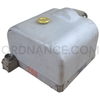
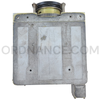
WWII U.S. Army Air Forces Type C-1 Autopilot Servo Unit, Minneapolis-Honeywell G1020A9CA4
Item Overview
This WWII-era U.S. Army Air Forces Type C-1 autopilot servo unit was made by Minneapolis-Honeywell for automatic flight-control systems used in American bombers. The unit changed electrical commands into mechanical movement and pulled the aircraft's normal control cables through its cable drum. A complete C-1 installation used three servo units, one each for the ailerons, rudder, and elevators. This listing is for the servo unit only, not a complete autopilot.
Identification and Features
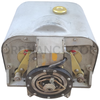
The exposed gear train, clutch mechanism, electric motor, and cable drum closely match period Minneapolis-Honeywell and Army Air Forces illustrations of the C-1 servo. The visible manufacturer number identifies this example as G1020A9CA4. The available markings do not confirm whether this particular unit was set up for the aileron, rudder, or elevator station.
- System: U.S. Army Air Forces Type C-1 automatic pilot
- Component: Electromechanical aircraft-control servo unit
- Manufacturer: Minneapolis-Honeywell Regulator Company
- Manufacturer's number: G1020A9CA4
- Visible working parts: Electric motor, clutches, reduction gearing, cable drum, and cable guides
- Complete-system quantity: Three servos
- Control axes: Ailerons, rudder, and elevators
- Documented aircraft families: B-17 Flying Fortress, B-24 Liberator, and B-29 Superfortress
- Offered condition: Vintage, externally fairly complete, and untested
- Item type: Non-explosive aircraft control equipment
Original Service Function
Gyros in the C-1 system detected unwanted changes in bank, pitch, and heading. The amplifier turned those signals into correction commands for the proper servo. Inside the servo, an electric motor powered reduction gears while clutches selected the needed direction of movement. The cable drum then pulled the same control cables used by the pilot, moving the matching ailerons, rudder, or elevators. The pilot could take manual control when needed, making the servo an automatic helper rather than a separate set of flight controls.
The Complete C-1 Autopilot System
A complete C-1 automatic pilot included a flight gyro, directional gyro or stabilizer, control panel, amplifier, rotary inverter, junction box, wiring, and three servo units. The flight gyro sensed roll and pitch, while the directional unit watched the aircraft's heading. The amplifier sent correction signals to the proper servo, and the inverter supplied alternating current for the system. Together, these parts could hold a steady course and attitude, make gentle coordinated turns, and reduce pilot fatigue during long flights. When connected with the Norden bombsight, the C-1 also allowed the bombardier to send small steering corrections during the final bomb run.
Aircraft Applications
Type C-1 autopilot installations are documented in the B-17 Flying Fortress and B-24 Liberator, as stated for this item, and also in the B-29 Superfortress. These large aircraft benefited from automatic control during long-range missions, formation flight, and stabilized bombing approaches. Installation details, cable drums, brackets, and access locations could vary by aircraft and control axis. Because this is a loose servo unit, its exact aircraft and original aileron, rudder, or elevator position cannot be confirmed from the supplied number alone.
Historical Background and Use
Minneapolis-Honeywell brought its automatic-control experience to U.S. military aviation during World War II. The C-1 became an important flight-control system for heavy bombers at a time when crews spent many hours in the air under difficult conditions. It helped keep the aircraft steady, eased the pilot's workload, and supported more controlled bombing runs when paired with the Norden bombsight. C-1-equipped bombers served in the European, Mediterranean, and Pacific theaters. This model therefore represents an important step between early mechanical flight controls and later electronic autopilot systems, although no specific aircraft or combat mission can be assigned to this individual unit without further records.
Manufacturer and Identification Notes
The marking G1020A9CA4 is the Minneapolis-Honeywell manufacturer number for this component. It should not be described as an aircraft serial number, the designation of a complete C-1 system, or proof of a specific bomber installation. Period illustrations show the same exposed gearing and cable-drum arrangement, which strongly supports the servo identification. Additional data-plate, inspection, drum, or overhaul markings may provide more detail if present, but they should be recorded exactly as found.
Condition
This is an untested WWII-era aircraft component. It appears externally fairly complete, with the exposed gearing and cable drum present, but the condition of the motor, clutches, bearings, electrical contacts, wiring, and insulation is unknown. No claim of operation is made, and the unit should be inspected by a qualified person before any attempt to apply power. It may show scratches, paint and finish wear, oxidation, grease, dirt, old lubricant, tool marks, and storage wear. This listing is for one Type C-1 servo unit only; the gyros, control panel, amplifier, inverter, junction box, aircraft cables, mounting hardware, and other autopilot parts are not included unless specifically shown. Please check the pictures for the general condition of the item.
Ideal For
This Minneapolis-Honeywell C-1 servo is an excellent display or research piece for collections focused on World War II aviation, bomber systems, automatic flight controls, and the history of precision bombing equipment.
- B-17 Flying Fortress restoration displays
- B-24 Liberator restoration displays
- B-29 Superfortress exhibits
- World War II Army Air Forces collections
- Norden bombsight and autopilot displays
- Aircraft instrument and control-system collections
- Military museums and educational exhibits
Approx length 10", Approx width 8", Approx height 6", Approx weight 23lbs.
Pictures are stock images of our inventory. Unless otherwise noted, you will not be receiving the exact item shown in the pictures. The pictures are representative of the item’s general condition. The item you receive might be slightly better, or worse, condition than was shown in the pictures.
Please visit our page about order lead times here: Order Lead Times.