


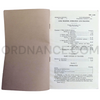


Description
Add an important piece of military aviation training history to your collection with this TM 1-445 Link Trainer Operation and Training Technical Manual Dated: 1940. This manual covers the operation and training use of the famous Link Trainer, one of the most recognizable and influential flight-training devices ever produced. For collectors, historians, restorers, and museums, it is a valuable reference tied directly to the development of instrument flying and military pilot training.
The Link Trainer was the classic “blue box” flight simulator used to teach pilots how to fly by instruments rather than by outside visual reference. Developed in the prewar period and used extensively during World War II and after, the Link Trainer became a standard training device for military and civilian aviators alike. It allowed instructors to teach blind flying, instrument interpretation, control response, and procedural training in a controlled environment without the cost and risk of live flight. In practical terms, the Link Trainer helped prepare generations of pilots for real instrument conditions and remains one of the foundational devices in the history of flight simulation.
About TM 1-445
This TM 1-445 manual is focused on the operation and training side of the Link Trainer system. That makes it especially useful because it goes beyond simple parts identification and speaks directly to how the trainer was intended to be used as an instructional device. Manuals like this were part of the working training environment, supporting instructors, maintenance personnel, and training programs that relied on the Link to develop instrument proficiency.
For collectors, this type of manual is significant because it helps explain:
- how the trainer was operated
- how training was structured around the device
- how the Link Trainer fit into military pilot instruction
- what procedures and techniques were considered standard for instrument training at the time
That makes it more than just a manual. It is part of the broader story of how military aviation training evolved in the era when instrument flying became essential.
Historical Significance
The Link Trainer occupies a special place in aviation history. Before modern full-motion simulators and computerized trainers, the Link gave pilots a way to practice instrument procedures in a realistic but safe environment. It became especially important during wartime, when pilot throughput had to increase while maintaining training standards.
A manual like TM 1-445 is valuable because it documents the training philosophy and practical use of one of the earliest truly successful flight simulators. For anyone interested in:
- military aviation training
- instrument flying history
- flight simulation development
- WWII-era pilot instruction
- Link Trainer restoration or display
this is exactly the kind of documentation that adds context and depth to a collection.
About This Item
This listing is for the TM 1-445 Link Trainer Operation and Training Technical Manual Dated: 1940. It is an excellent fit for:
- Link Trainer collections and restorations
- military aviation museums
- pilot training and simulator history displays
- technical manual and military paper collections
- research libraries focused on aviation and training systems
Because manuals were working documents, surviving examples are often sought after not just for their content, but for the connection they provide to the real training environment in which they were used.
Why This Manual Matters
Large training devices like the Link Trainer are impressive on their own, but the manuals are what explain how they were actually used. A technical manual like this helps turn a display piece into a documented training system. For collectors and museums, that makes it an important companion item rather than just an accessory.
Whether you are building a Link Trainer display, expanding a WWII aviation reference collection, or preserving the paperwork side of military flight instruction, TM 1-445 is a meaningful and historically relevant addition.
Ideal For
This manual is a strong fit for:
- Link Trainer and flight simulator collections
- military aviation training exhibits
- WWII and postwar pilot training displays
- technical manual and paper collections
- research libraries focused on aviation history
Approx length 9", Approx width 6", Approx height .25", Approx weight .2lbs.
Pictures are stock images of our TM 1-445 Link Trainer Operation and Training Technical Manual Dated: 1940. Unless otherwise noted, you will not be receiving the exact item shown in the pictures. The pictures are representative of the item's general condition. The item you receive might be slightly better, or worse, condition than was shown in the pictures.
Please visit our page about order lead times here: Order Lead Times