



Description
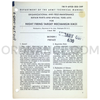
TM 9-6920-205-24P XM31 Night Firing Target Mechanism Manual
This March 1962 U.S. Army technical manual provides the parts support reference for the XM31 Night Firing Target Mechanism. It offers collectors a look at the supply and maintenance work behind Cold War training ranges, where electrical target equipment helped soldiers practice shooting after dark.
Identification and Features
This publication supported maintenance organizations responsible for keeping the XM31 target equipment in service.
- Publication: TM 9-6920-205-24P.
- Issue date: March 1962.
- Equipment covered: XM31 Night Firing Target Mechanism.
- Publication type: Repair parts and special tools reference.
- Maintenance application: Unit and field support.
Function and Contents
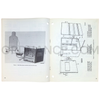
The manual provides the repair parts and special tools reference for XM31 maintenance. The companion operating manual identifies it as the authority for ordering replacement parts, with allocations for second through fourth echelon maintenance. It served as a supply reference for both the using unit and supporting Ordnance shops.
Product History
Published March 2, 1962, this parts reference predates the equipment's XM40 designation. An Army revision issued October 8, 1971, formally replaced it. That later edition confirms the earlier publication date and records the continued development of the Army's parts support literature for this equipment family.
Documented Applications
The XM31 was a portable system for rifle and machine-gun night training. Its operator could control 15 target locations using E-type kneeling or F-type prone silhouettes. Flashing target lights represented gunfire, while hit switches sent signals to counters that recorded shooting results.
Equipment History
Change 1 to the companion operating manual, dated August 26, 1963, directed that XM31 be renamed XM40. Later Army supply publications used the M40 designation. This sequence helps researchers connect early XM31 references with the names found in later maintenance records.
Weapon-System Background
The mechanism supported the Army's infantry range training system. FM 23-12, issued in 1963, included separate instruction for night attack and defense under limited visibility. Training ranges used flashing lights to represent enemy muzzle flashes, giving soldiers practice in finding firing positions that were difficult to see in darkness.
History of Use
A March 1971 report by the Human Resources Research Organization, prepared for the Army, documents an XM31 flashing target display in M16 rifle research at Fort Benning. One night-firing experiment involved 48 incoming noncommissioned officer candidates and compared flashing targets with non-flashing silhouettes. This provides a specific record of the equipment's role in military marksmanship research.
Ideal For
This manual adds the parts supply side of military training to a technical library. It also provides historical context for collections and displays about the range crews and maintenance personnel who supported Army marksmanship programs.
- Collectors of U.S. Army parts publications.
- Researchers studying Cold War training equipment.
- Museums interpreting military ranges and night firing.
- Owners documenting XM31, XM40, or M40 target equipment.
Approx length 8", Approx width 10", Approx height .15", Approx weight .2lbs.
Pictures are stock images of our inventory. Unless otherwise noted, you will not be receiving the exact item shown in the pictures. The pictures are representative of the item’s general condition. The item you receive might be slightly better, or worse, condition than was shown in the pictures.
Please visit our page about order lead times here: Order Lead Times.