



Description
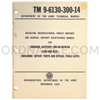
TM 9-6130-300-14 SVC-40-20-M-D3 Battery Charger Technical Manual
This November 1969 U.S. Army technical manual covers the SVC-40-20-M-D3 battery charger, FSN 6130-883-8129. It brings together operating and maintenance information for a specialized piece of military electrical equipment. The publication offers collectors and researchers a focused look at the technical support behind Cold War battery service.
Identification and Features
The model designation and Federal Stock Number identify the charger covered by this publication. These details help distinguish the title from manuals for other Army charging equipment.
- Manual number: TM 9-6130-300-14
- Publication date: November 1969
- Covered equipment: SVC-40-20-M-D3 Battery Charger
- Federal Stock Number: 6130-883-8129
- Publisher: Headquarters, Department of the Army
Manual Contents and Purpose
The recorded title identifies coverage for operators and three Army maintenance levels. It also specifies repair parts and special tools lists, making the publication useful for studying both equipment care and parts support.
- Operator information
- Organizational maintenance
- Direct support maintenance
- General support maintenance
- Repair parts and special tools lists
Documented End-Item Application
The confirmed end item is the SVC-40-20-M-D3 charger under FSN 6130-883-8129. Its documented role is battery charging within the Army's electrical-equipment support system. A battery charger supplies electrical energy to restore a rechargeable battery's charge. Controlled charging helps prepare batteries for further service.
Equipment History
The SVC-40-20 model name appears in a November 1968 NJE Corporation advertisement for regulated laboratory power supplies. The Army's 1969 manual records the longer SVC-40-20-M-D3 designation as a battery charger. These records provide period context for researchers comparing commercial power-supply models with military charging equipment.
Weapon-System Background
Army vehicles, generators, and communications equipment depended on batteries throughout the 1960s. Battery service formed part of the wider electrical support needed to keep combat units operating. This is the broader military setting for the manual's subject, with charging equipment supporting the maintenance network behind operational equipment.
History of Use
This publication was written for operators and Army maintenance personnel at several levels. Its organization reflects a system that placed routine care with using units and more involved work with support organizations. For historians, the manual offers a record of how operating knowledge, maintenance duties, and repair-parts support were organized during this period.
Ideal For
This title adds a practical support-equipment subject to an Army technical library and complements collections focused on military electrical maintenance.
- Collectors of Army technical manuals and Vietnam-era publications
- Researchers studying military battery service and power equipment
- Museums and archives documenting Cold War maintenance practices
- Owners researching the SVC-40-20-M-D3 charger
Approx length 8", Approx width 10", Approx height .25", Approx weight .5lbs.
Pictures are stock images of our inventory. Unless otherwise noted, you will not be receiving the exact item shown in the pictures. The pictures are representative of the item’s general condition. The item you receive might be slightly better, or worse, condition than was shown in the pictures. Please check the pictures for the general condition of the item.
Please visit our page about order lead times here: Order Lead Times.