



Description
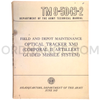
TM 9-5043-2 XM3 Optical Tracker Technical Manual — Corporal II — June 1957
Technical Manual TM 9-5043-2 covers the XM3 Optical Tracker used with the Corporal II Artillery Guided Missile System. Dated June 1957, this publication offers a focused reference for collectors and researchers studying early missile tracking equipment. It documents a specialized instrument from the Army’s first generation of tactical guided missile systems.
Identification and Features
The manual number, tracker designation, and publication date identify this title within the Corporal technical reference series.
- Publication: Technical Manual TM 9-5043-2
- Subject equipment: XM3 Optical Tracker
- Documented application: Corporal II Artillery Guided Missile System
- Publication date: June 1957
- Historical period: Cold War
Function and Technical Focus
In the Corporal II system, an optical tracker followed the missile visually after launch and helped position the tracking radar in elevation, or vertical angle. This assisted the radar during the missile’s early flight. The manual provides an equipment-specific reference for studying the optical tracking side of this ground guidance arrangement.
Publication History
Corporal’s technical publication program began at the Jet Propulsion Laboratory in 1951, when a dedicated group started preparing technical data for military manuals. This June 1957 title dates from the system’s active service years. Its coverage of a single tracking instrument reflects the detailed documentation needed to support a missile system with many separate ground components.
Documented Applications
The specified application is the XM3 Optical Tracker associated with Corporal II. Type II equipment began replacing the earlier Type I system in American units in Europe in 1956. This places the publication within the technical support records for the improved Corporal system fielded during the middle of the 1950s.
Equipment History
Corporal II ground guidance combined radar, computing equipment, and optical tracking. Some equipment drew on earlier antiaircraft technology, including a modified SCR-584 radar. Army studies found that aging hardware and limited spare parts made maintenance difficult. Later guidance development sought to simplify servicing, reduce operator workload, and improve performance when clouds or poor visibility interfered with visual tracking.
Weapon-System Background
The Corporal program grew from the Army’s ORDCIT research effort at the California Institute of Technology, begun in 1944. Research rockets led to a liquid-fueled tactical ballistic missile designed to extend artillery’s reach against ground targets. Corporal could carry a nuclear or high-explosive warhead and relied on both missile-borne controls and ground guidance equipment. The program helped establish the skills and support methods needed for later Army missile systems.
History of Use
The first American Corporal battalion deployed to Europe in 1955, and Britain also adopted the weapon. British personnel trained at Redstone Arsenal, Fort Bliss, and White Sands before establishing their own training program. Corporal became part of Cold War military readiness in Europe. Sergeant began replacing it in 1963, and the last American Corporal artillery unit was inactivated in June 1964.
Ideal For
This manual adds a specialized tracking-equipment title to a military library and supports research into the people and instruments behind early guided missile operations.
- Cold War technical manual collectors
- Corporal missile historians and researchers
- Military optics and tracking equipment enthusiasts
- Museum reference libraries and educational displays
Approx length 8", Approx width 10", Approx height .5", Approx weight 1lbs.
Pictures are stock images of our inventory. Unless otherwise noted, you will not be receiving the exact item shown in the pictures. The pictures are representative of the item’s general condition. The item you receive might be slightly better, or worse, condition than was shown in the pictures.
Please visit our page about order lead times here: Order Lead Times.