


Description
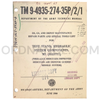
TM 9-4935-274-35P/2/1 Nike Ajax / Hercules M1 Hydraulic Test Stand Manual – June 1966
Item Overview
This U.S. Army technical manual is a repair parts reference for the M1 Hydraulic System Components Test Stand used in Nike Ajax and Nike Hercules Guided Missile Systems support work. It documents the equipment behind the hydraulic checks needed to maintain missile and launcher components.
Identification and Features
The M1 designation identifies the hydraulic component test stand. P/N 8523711 identifies the equipment covered by this publication.
- Manual number: TM 9-4935-274-35P/2/1
- Publication date: June 1966
- Equipment: M1 Hydraulic System Components Test Stand
- Equipment part number: 8523711
- Publication type: Repair parts and special tools reference
- Associated systems: Nike Ajax and Nike Hercules
Manual Contents and Purpose
This publication supports the identification of repair parts and special tools needed to maintain the test stand itself. Such references helped maintenance shops and supply personnel select replacement items for equipment repairs. Keeping the stand serviceable supported dependable checks of the hydraulic components brought in for inspection.
Publication History
The June 1966 manual belongs to the Army’s TM 9-4935 support equipment series. Army reference lists also catalog operating instructions for P/N 8523711 under TM 9-9502-11. These records show how separate publications supported equipment operation and parts supply within the larger Nike technical library.
Documented Applications
Army launcher maintenance manual TM 9-1440-252-34 lists P/N 8523711 for checking Hercules launcher hydraulic components. Documented applications include locking-wedge cylinders, power cylinders, equilibrator cylinders, shock struts, decelerators, and hydraulic locks. These uses connect the stand to the mechanical equipment that supported launcher movement and control.
Test Stand Function
Hydraulic systems use pressurized liquid to produce force and control movement. The M1 stand provided a means of checking individual components for leaks and proper operation. These checks helped mechanics judge whether a part worked as intended and supported decisions about repair or replacement.
Equipment History
Army references grouped P/N 8523711 with specialized equipment for Nike missile-body and launcher maintenance. Later publications continued to document the M1 stand for Improved Nike Hercules. A November 1981 Army repair parts manual still listed the model, showing continued technical support for the equipment family beyond this publication’s date.
Weapon-System Background
Nike Ajax deployed in 1954 to defend cities, military bases, and industrial centers against enemy aircraft. Nike Hercules entered service in 1958 with greater range and the ability to carry conventional or nuclear warheads. Western Electric and Bell Telephone Laboratories developed the systems with Douglas Aircraft supplying missile airframes. Both relied on ground radar and computers for guidance, along with extensive ground equipment for handling, testing, and launch support.
History of Use
Maintenance crews used hydraulic test equipment to inspect components and support repairs behind the Nike air defense network. The Army deployed 145 Nike Hercules batteries during the Cold War, many at converted Ajax sites. Most U.S. Hercules sites closed by 1975, while batteries in Alaska and Florida remained active into the late 1970s.
Ideal For
This manual adds a hydraulic equipment reference to a Nike missile technical library. It is useful for studying the repair shops, specialized tools, and supply work that kept Cold War air defense equipment ready for service.
- Military technical manual collectors
- Nike Ajax and Nike Hercules historians
- Researchers studying vintage hydraulic test equipment
- Museums documenting missile maintenance and support equipment
Approx length 8", Approx width 10", Approx height .2", Approx weight .4lbs.
Pictures are stock images of our inventory. Unless otherwise noted, you will not be receiving the exact item shown in the pictures. The pictures are representative of the item’s general condition. The item you receive might be slightly better, or worse, condition than was shown in the pictures.
Please visit our page about order lead times here: Order Lead Times.