


Description
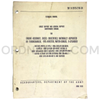
TM 9-2815-210-34 LD-465, LDT-465, and LDS-465 Diesel / Multifuel Engine Technical Manual
This U.S. Army technical manual covers six military diesel and multifuel engine models used in tactical trucks. It brings related naturally aspirated and turbocharged powerplants into one repair reference. The publication connects engine identification with the shop work needed to maintain these important parts of the Army's transportation fleet.
Identification and Features
These details identify the publication and its covered engines. Each National Stock Number below refers to an engine assembly covered by the manual.
- Publication number: TM 9-2815-210-34.
- Publication date: June 1978.
- Maintenance level: Direct support and general support.
- LD-465-1: NSN 2815-00-239-5824.
- LD-465-1C: NSN 2815-00-134-4830.
- LDT-465-1C: NSN 2815-00-103-2642.
- LDS-465-1: NSN 2815-00-075-0087.
- LDS-465-1A: NSN 2815-00-239-5819.
- LDS-465-2: NSN 2815-00-808-8011.
Function and Contents
The manual addresses engine repair at Army support-shop level. Its maintenance subjects include troubleshooting, disassembly, cleaning, inspection, repair, assembly, adjustment, and testing. Coverage follows major engine components, including cylinder heads, pistons, connecting rods, crankshafts, and valve parts. Fuel, cooling, lubrication, and air intake equipment form part of the wider repair scope. This type of reference helped mechanics work through engine faults and repairs while following the service requirements for each model.
Publication History
The Army issued this edition on June 16, 1978. In April 1981, its coverage was reorganized into separate troubleshooting and maintenance publications. TM 9-2815-210-34-1, TM 9-2815-210-34-2-1, and TM 9-2815-210-34-2-2 together superseded the 1978 manual. This edition belongs to the period before that split and preserves the earlier publication format used to support the six-engine family. Its date makes it relevant to the study of Army repair practices in the late 1970s.
Documented Applications
Army engine references group these powerplants by their truck applications. The covered models served both general transport vehicles and specialized equipment carriers. The following groupings show where the engine family fits within the wider tactical truck fleet and help readers connect military engine designations with familiar vehicle series.
- LD-465-1 and LDT-465-1C: M44A2-series 2½-ton trucks, including the M35A2 cargo truck family.
- LDS-465-1 and LDS-465-1A: M39A2-series 5-ton trucks, including the M54A2 cargo truck family.
- Applications listed for LD-465-1C and LDS-465-2 include the specialized M656, M757, and M791 5-ton truck series.
Equipment History
The 465 engine family grew from the Army's earlier multifuel development program with Continental. Exploratory work began in 1954 using a combustion process licensed from the German company MAN. Development of the smaller LDS-427 followed in 1957. In 1961, Continental proposed larger LD-465 and LDS-465 engines for 2½-ton and 5-ton trucks. The proposal sought a high degree of shared parts between the two versions, linking different truck load classes to a common engine design.
Engine Design
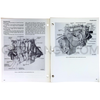
The covered engines use a four-stroke cycle, six cylinders in line, overhead valves, fuel injection, and liquid cooling. Their displacement is 478 cubic inches, or about 7.8 liters. The LD models are naturally aspirated, drawing intake air without a turbocharger. The LDT and LDS models are turbocharged, using exhaust energy to supply more air to the engine. These differences explain why model-specific information matters when comparing engine assemblies and their associated equipment.
Multifuel Program Background
The Army's interest in multifuel power came partly from concern that diesel supplies might be limited during a major war. An engine able to use a defined range of fuels gave planners more options for keeping trucks moving. Military fuel schedules for this family included diesel and specified aviation fuels, with other approved alternatives. This flexibility tied engine development to wartime supply planning and helped explain the family's place in the Army's transport program.
Parent Equipment History
The truck families supported by these engines developed into a wide range of cargo and service vehicles. The M44A2 line filled the 2½-ton transport role, while the M39A2 line handled heavier 5-ton duties. Cargo, dump, tractor, and wrecker bodies allowed related chassis to perform different jobs. The Army's 1977 M39 operator's manual covered gasoline, diesel, and multifuel versions within one family, documenting the mix of engine types that support personnel had to maintain.
Weapon-System Background
The M757 eight-wheel-drive tractor connects this engine family to the Pershing 1a missile system. It served as the prime mover for the missile's erector-launcher and was designed for travel on roads and rough ground. Pershing 1a was a mobile Army ballistic missile system of the Cold War. Its transport vehicles moved launcher equipment and supporting cargo, showing how truck engine maintenance also formed part of the support network for specialized weapons.
History of Use
The M35 and M54 truck families hauled supplies during the Vietnam War, moving cargo from coastal ports to inland bases over roads exposed to ambush. Army crews also adapted trucks from these families into gun trucks for convoy escort. In Europe, transportation units continued using M35 trucks during the 1970s. The 396th Light Truck Company at Ludwigsburg, Germany, had them in 1973. These roles place the covered engine family within the broader history of military supply and field transport.
Ideal For
This manual suits collections focused on military engine repair, tactical truck restoration, and the Army's multifuel program. It works well alongside vehicle manuals and parts catalogs when researching the powerplants used across different truck families. Its publication date also makes it useful for period maintenance displays and technical history projects.
- Military technical manual collectors.
- M35A2 and M54A2 restoration libraries.
- Multifuel engine history researchers.
- Museums and Cold War vehicle collections.
Approx length 8", Approx width 11", Approx height 1.5", Approx weight 3lbs.
Pictures are stock images of our inventory. Unless otherwise noted, you will not be receiving the exact item shown in the pictures. The pictures are representative of the item’s general condition. The item you receive might be slightly better, or worse, condition than was shown in the pictures.
Please visit our page about order lead times here: Order Lead Times.