




Description
TM 9-2815-204-34P for LDS-427-2 Multifuel Engine Parts Manual for the M35A1, June 1973
TM 9-2815-204-34P is the June 1973 Army parts manual for the Military Model LDS-427-2 diesel/multifuel engine, FSN 2815-406-7306. It is an illustrated reference for identifying engine components and special tools.
Identification and Features
Period stock numbers, part references, and illustration callouts identify components and their assigned maintenance tools.
- Manual number: TM 9-2815-204-34P.
- Publication date: June 1973.
- Covered engine: Military Model LDS-427-2.
- Engine Federal Stock Number: 2815-406-7306.
- Engine assembly reference listed in the manual: 11641710.
- Publication type: Repair-parts and special-tools list.
- Maintenance scope: Direct support, general support, and depot maintenance allowances.
- Publisher: Headquarters, Department of the Army.
Function and Contents
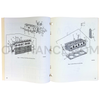
The catalog groups parts by engine, clutch, fuel, cooling, electrical, and related systems. Coverage includes internal engine parts, the turbocharger, fuel injectors, starting equipment, air compressor, and reusable shipping containers. Illustrated views connect components to their stock and reference numbers. Separate sections list special tools and test equipment, followed by a numerical index. These features help readers identify parts and follow the Army's supply records.
Publication History
The title page dates this edition to June 7, 1973, with its information current as of December 1972. It superseded TM 9-2815-204-35P, dated January 26, 1965. This edition records the authorized parts and maintenance allowances for the LDS-427-2 at that point in its service history.
Documented Applications
The documented parent vehicle is the M35A1, a 2½-ton, 6×6 multifuel cargo truck. The Army's engine maintenance manual names both the LDS-427-2 and this truck as its end-item application. That direct connection makes the parts catalog relevant to M35A1 engine identification and restoration research. Matching the engine's complete model designation helps place individual parts within the correct technical reference.
Equipment History
The LDS-427 program grew from the Army's search for engines that could work with different fuel supplies. Exploratory work with Continental began in 1954, and the Ordnance Tank-Automotive Command started LDS-427 development in 1957. After testing, the first procurement contract went to Continental in 1961. The LDS-427-2 became an early production multifuel powerplant for the Army's 2½-ton truck fleet, marking a step toward greater flexibility in military fuel use.
Manufacturer Background
Continental's engine business began with Ross Judson's work in Chicago in the early 1900s and later expanded in Muskegon, Michigan. The company developed a long relationship with the War Department, supplying engines for military vehicles during World War I and World War II. Its postwar work included truck, industrial, aircraft, and military engines. Continental became Teledyne Continental Motors in 1969, shortly before this parts-list edition appeared.
Engine Design and Performance
The LDS-427-2 is an inline six-cylinder, four-cycle engine with overhead valves, fuel injection, a turbocharger, and water cooling. Its displacement is 427 cubic inches, about 7.0 liters. The Army's engine maintenance manual rates it at 140 horsepower at 2,600 rpm. Fuel burns through compression ignition, while the turbocharger increases the air supply to the cylinders. The design combined diesel-style operation with the ability to use more than one authorized fuel type.
Multifuel Purpose
The Army's interest in multifuel engines came from concern that diesel fuel might be limited during a major war. Continental used a licensed combustion process developed by MAN in Germany as part of its engine program. The goal was to keep military trucks useful under changing fuel-supply conditions. This fuel flexibility formed part of a wider effort to reduce the risk of transport units being stopped by shortages of one fuel type.
Parent Equipment History
The M35 truck family grew from a REO design developed in 1949. It became widely known as the “Deuce and a Half,” carrying forward the nickname used for earlier 2½-ton Army trucks. Its six-wheel-drive layout supported cargo transport on roads and rough ground. The family expanded into several versions over a long service life. The M35A1's multifuel engine belongs to that history of adapting a common truck design to new military requirements.
Weapon-System Background
The M35 family's main role was tactical transport, carrying the supplies needed by combat units. In Vietnam, some M35 trucks also became gun trucks for convoy protection. Army histories record these vehicles carrying machine guns and added armor as crews responded to attacks on supply routes. That use placed an ordinary cargo-truck design within an armed escort role. The engine remained essential to moving the truck, its crew, and its load between bases.
History of Use
Army records place M35 cargo trucks in Vietnam supply convoys, including operations along Route 19 between the coast and the Central Highlands. The same truck family also served in Cold War Europe. A Transportation Corps history records M35 trucks with the 396th Light Truck Company in Germany by 1973. These examples show the wider service setting of the M35A1's parent family. The engine-specific parts manual documents the support work needed to keep the LDS-427-2 in service.
Ideal For
This manual suits collectors of Army engine publications and researchers studying early multifuel truck technology. Its illustrated parts listings are useful for comparing components, tracing period stock numbers, and organizing an M35A1 reference library. Museums can also use it when researching the maintenance and supply work behind Cold War military transport.
- Army technical manual collectors.
- M35A1 restoration reference libraries.
- Continental multifuel engine historians.
- Cold War and Vietnam-era museum research.
Approx length 8", Approx width 11", Approx height .25", Approx weight .5lbs.
Pictures are stock images of our inventory. Unless otherwise noted, you will not be receiving the exact item shown in the pictures. The pictures are representative of the item’s general condition. The item you receive might be slightly better, or worse, condition than was shown in the pictures.
Please visit our page about order lead times here: Order Lead Times.