


Description
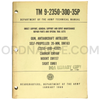
TM 9-2350-300-35P XM163 20mm Vulcan Technical Manual – January 1969
TM 9-2350-300-35P is a January 1969 U.S. Army technical publication for the 20mm XM163 Vulcan Antiaircraft Artillery Gun. Its listed equipment includes the XM168 cannon, XM157 mount, and XM61 sight. This parts reference adds a supply and maintenance perspective to a collection of early Vulcan technical manuals.
Identification and Features
The publication number, date, and equipment names identify this volume within the Vulcan manual series. Its Federal Stock Number connects the listed end item with period Army supply records.
- Technical manual: TM 9-2350-300-35P
- Publication date: January 1969
- Weapon system: 20mm XM163 Vulcan Antiaircraft Artillery Gun
- Listed equipment: XM168 cannon, XM157 mount, and XM61 sight
- Federal Stock Number: 2350-999-4392
- Publication type: Support maintenance repair-parts reference
Function and Contents
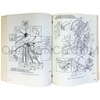
The -35P designation identifies a repair-parts reference for support maintenance. This type of publication helped maintenance and supply personnel identify replacement items for the equipment they supported. The listed scope centers on the Vulcan gun, mount, and sight. For researchers, the volume supports study of component names and the supply information behind the weapon's upkeep.
Publication History
The January 1969 date places this edition during the XM163's early field evaluation period. Its XM equipment names preserve the terminology used in contemporary Army documentation. Vulcan technical references served different needs, including crew operation, maintenance, and repair-parts support. This publication records the parts-reference side of that system during the Vietnam War years, making it useful for comparing related period manuals.
Documented Applications
The listed end item is the self-propelled XM163 under FSN 2350-999-4392. The named cannon, mount, and sight connect this volume with the vehicle's armament and aiming equipment. Matching these model names helps readers select references for the early Vulcan configuration and relate surviving components to the equipment described in period military records.
Equipment History
The Army developed tracked Vulcan during the 1960s by adapting existing equipment into a mobile air-defense system. Engineers worked on the ammunition feed and the links between the gun, vehicle, and fire-control equipment. The Defense Department's fiscal year 1968 report states that engineering and service tests were underway at year-end. Those efforts brought the weapon's main elements together for field use.
Parent Vehicle History
The XM163 used the XM741 chassis, a modified M113A1 armored personnel carrier. The original M113 entered Army service in 1960, followed by the diesel-powered M113A1 in 1964. A December 1968 Army transmission publication specifically listed the XM741 as the chassis for the XM163 weapon system. This shared vehicle background connected Vulcan with a broad family of tracked carriers and support vehicles.
Cannon Background
The XM168 was a ground adaptation of the M61A1 Vulcan cannon. Its six rotating barrels used a Gatling-style arrangement powered by an external drive. Period Army reporting described ground Vulcan firing rates of 1,000 or 3,000 rounds per minute. The design brought rotary cannon technology from aircraft armament into a mobile ground weapon built for rapid fire against fleeting targets.
Mount Background
The XM157 mount supported the cannon and allowed powered movement as the gunner followed a target. It controlled traverse, or movement from side to side, and elevation, or movement up and down. The mount joined the gun's physical support with its aiming controls. Smooth, controlled movement was essential to the complete weapon's function.
Sight and Fire-Control Background
The XM61 was a lead-computing sight that helped the gunner aim ahead of a moving target. Lead allowed for the target's movement while a projectile was in flight. The wider Vulcan system also used the AN/VPS-2 range-only radar for target-distance information. Visual tracking and electronic support worked together to assist aiming, linking the sight with the gun and mount.
Weapon-System Background
Vulcan formed the gun element of the Army's Chaparral/Vulcan air-defense program. Chaparral supplied guided missiles, while Vulcan supplied rapid 20mm cannon fire for close-range defense. The program sought to protect field forces from low-altitude air attacks. Vulcan also had a recognized secondary ground-support role. Its tracked carrier helped the weapon travel with the mechanized units it supported.
Cold War Service
The Vulcan family served in the Army's European air-defense network. The first divisional Chaparral/Vulcan battalion deployed to Germany in November 1969 and joined the 8th Infantry Division at Mainz. Later M163 vehicles continued serving into the Gulf War period. Army Transportation Museum records show an M163 being loaded aboard USNS Bellatrix for Operation Desert Shield in 1990, extending the family's service history well beyond this edition.
Ideal For
This Vulcan parts reference suits readers building a technical library around early Army air-defense equipment. It can support component research, comparison of period publications, and museum reference work. Its model names and publication date make it a useful companion to related operating and maintenance manuals.
- Military manual collectors
- XM163 Vulcan researchers
- Military vehicle restoration research
- Museum reference libraries
- Vietnam War equipment studies
- Cold War air-defense collections
Approx length 8", Approx width 11", Approx height .75", Approx weight 1.5lbs.
Pictures are stock images of our inventory. Unless otherwise noted, you will not be receiving the exact item shown in the pictures. The pictures are representative of the item’s general condition. The item you receive might be slightly better, or worse, condition than was shown in the pictures.
Please visit our page about order lead times here: Order Lead Times.