




Description
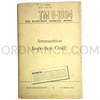
TM 9-1904 Ammunition Inspection Guide – March 1944
Product Overview
This original U.S. War Department Technical Manual TM 9-1904, Ammunition Inspection Guide, was published on March 2, 1944. Created during World War II, this extensive reference taught military personnel how to identify, inspect, store, transport, maintain, and monitor many classes of ammunition and explosives. This listing is for the technical manual only; no ammunition, tools, or equipment are included.
Publication Details
This wartime manual served as a broad technical reference for ammunition inspectors and other Ordnance Department personnel responsible for the safe handling of military ammunition.
- Manual Number: TM 9-1904
- Title: Ammunition Inspection Guide
- Publisher: U.S. War Department
- Publication Date: March 2, 1944
- Original Security Marking: Restricted
- Era: World War II
- Item Included: Technical manual only
Manual Function and Contents
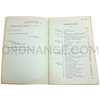
TM 9-1904 explains ammunition terminology, safety rules, Ordnance drawings, measuring instruments, military explosives, chemical agents, ammunition construction, inspection methods, storage, transportation, renovation, and surveillance. It describes how inspectors evaluated markings, dimensions, components, packing materials, corrosion, cracks, deterioration, and other conditions that could affect safe handling or reliable operation. The manual also covers ammunition lot numbers, inspection records, reports, and the proper use of period measuring tools.
Documented Ammunition Applications
The manual covers a wide range of World War II ammunition rather than one weapon or caliber. Subjects include small-arms cartridges, shotgun shells, hand and rifle grenades, mines, rockets, Bangalore torpedoes, mortar rounds, artillery ammunition from 20mm through 14-inch types, and several classes of aircraft bombs. Additional chapters address military pyrotechnics, chemical ammunition, demolition materials, magazine storage, incoming and outgoing shipments, and the destruction of unusable ammunition.
Publication History
TM 9-1904 was issued while the United States was producing and shipping enormous quantities of ammunition for World War II. The manual states that it was published before completion of the full technical review so inspectors could quickly receive a working background in all major types of ammunition. Its March 1944 publication date places it before the Allied landings in Normandy and during the rapid expansion of American combat operations in Europe and the Pacific.
Ammunition Inspection Equipment History
By 1944, ammunition inspection combined visual examination with precision measurement. This manual illustrates rules, squares, calipers, dividers, micrometers, plug gauges, ring gauges, snap gauges, profile gauges, and other instruments. Go and no-go gauges helped inspectors determine whether cartridge cases, primer openings, threads, cavities, and assembled artillery rounds remained within approved limits. These tools connected factory quality control with inspection work performed at depots, magazines, and shipping facilities.
World War II Ammunition-System Background
American forces depended on a large ammunition system that connected factories, arsenals, depots, ports, ships, field units, aircraft, and combat weapons. Each lot required correct identification, packing, storage, and inspection before it could move safely through that system. Standard markings and lot numbers helped personnel trace ammunition by type and production history, while inspection procedures helped prevent damaged or deteriorated material from reaching weapons and crews.
History of Use
Ammunition inspectors used references like TM 9-1904 at manufacturing plants, storage magazines, depots, renovation facilities, and ports of embarkation. The manual supported examinations of incoming and outgoing shipments, magazine inspections, routine surveillance, and decisions about serviceability. It also provided instructions for recording inspection results and for safely handling, renovating, segregating, or destroying ammunition that could no longer remain in service.
Condition
This is a vintage military publication from 1944. Copies may show age and service-storage wear consistent with the representative inventory photographs. The manual is an excellent period reference for studying World War II ammunition, inspection practices, military logistics, and Ordnance Department procedures.
Ideal For
This detailed wartime publication offers strong historical and technical value for collectors, researchers, and organizations studying American ammunition and military logistics.
- World War II technical-manual collectors
- U.S. Army and Ordnance Department historians
- Military-ammunition and artillery researchers
- Museum, archive, and educational reference collections
- Historic-arms restorers and display researchers
- Collectors studying wartime logistics and ammunition inspection
Approx length 6", Approx width 9", Approx height 1.75", Approx weight 2.5lbs.
Pictures are stock images of our inventory. Unless otherwise noted, you will not be receiving the exact item shown in the pictures. The pictures are representative of the item’s general condition. The item you receive might be slightly better, or worse, condition than was shown in the pictures.
Please visit our page about order lead times here: Order Lead Times.