




Description
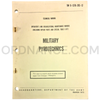
U.S. Army Technical Manual TM 9-1370-203-12, Military Pyrotechnics, March 1973 — Official Reprint
This U.S. Army technical manual is a reference for collectors and researchers studying military illumination, signaling, and training equipment. This copy is an official reprint which includes current pages from Changes 1 through 4. This listing is for the technical manual only. No pyrotechnic devices, ammunition, launchers, or other equipment are included.
Publication Details
The publication belongs to the Army’s operator and organizational maintenance manual series, intended for personnel using and caring for equipment at the unit level.
- Manual number: TM 9-1370-203-12
- Title: Military Pyrotechnics
- Base publication date: March 1973
- Manual type: Operator and organizational maintenance
- Edition: Official reprint incorporating Changes 1 through 4
- Issuing authority: Headquarters, Department of the Army
- Country of origin: United States
Official Reprint and Included Changes
This edition brings the manual’s base text together with the applicable revised pages from four numbered changes. Military change publications allowed technical information to be updated while retaining the original manual number. March 1973 identifies the base edition; the incorporated changes reflect revisions issued afterward.
Manual Scope
The “-12” designation places this publication at the operator and organizational maintenance level. Its focus is the military user and the unit responsible for authorized care of pyrotechnic equipment. It provides a reference point for studying the service practices associated with this specialized group of military supplies.
About Military Pyrotechnics
Military pyrotechnics produce light, smoke, or sound for specific tasks. They support ground troops, aviation units, rescue services, and military training. Their main roles include the following.
- Illumination for observation and activity during darkness
- Colored light and smoke signals for visual communication
- Brief photographic flashes for night photography
- Location marking and distress signaling
- Simulated battlefield sounds and flashes during training
Historical Background
The Army published dedicated pyrotechnics manuals during World War II, when flares and signals supported ground and air operations. These devices remained useful during the Cold War alongside improved radios and electronic equipment. The March 1973 edition dates from the late Vietnam War period, when night operations and coordination between aircraft and ground forces gave illumination and visual signals an important role.
History of Use
During the Vietnam War, C-47 and C-123 flareships dropped parachute flares to illuminate areas for aircraft supporting troops on the ground. Visual signals also helped units communicate and mark locations. Outside combat, pyrotechnic equipment supported rescue work, while simulators added realistic sounds and flashes to training exercises. These varied uses explain the broad military interest in the manual’s subject.
Collector and Research Value
This official reprint offers a record of both the original edition and its later revisions. It is useful for studying Army technical publications, military supply practices, and the history of signaling and illumination equipment. Collectors comparing editions can use its incorporated changes to place it within the manual’s publication history.
Ideal For
This manual suits several collecting, research, and display interests.
- U.S. Army technical-manual collections
- Vietnam War and Cold War research
- Military flare and signal history
- Aviation illumination and rescue-equipment studies
- Military training-equipment research
- Museum and archival collections
Approx length 8", Approx width 11", Approx height .3", Approx weight .5lbs.
Pictures are stock images of our inventory. Unless otherwise noted, you will not be receiving the exact item shown in the pictures. The pictures are representative of the item’s general condition. The item you receive might be slightly better, or worse, condition than was shown in the pictures.
Please visit our page about order lead times here: Order Lead Times.