


Description
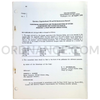
TM 9-4935-385-14/2 Change 1: AN/MSM-94 Pershing 1A Test Station Manual Update
This technical manual change updates the AN/MSM-94 System Components Test Station documentation used with the Pershing 1A Field Artillery Missile System. It offers collectors and researchers a period reference to the technical support behind this Cold War missile system.
Identification and Features
Army references identify the AN/MSM-94 as the System Components Test Station, often shortened to SCTS. The publication number identifies the troubleshooting volume, while the Change 1 designation identifies its first numbered update.
- Manual number: TM 9-4935-385-14/2
- Publication type: Change 1 update
- Change date: August 1969
- Equipment covered: AN/MSM-94 System Components Test Station
- Weapon-system application: Pershing 1A Field Artillery Missile System
Function and Contents
The parent volume covers the station’s functional description and troubleshooting, explaining how its equipment works and how technicians locate malfunctions. Change 1 revises that reference material and is intended for use with the matching base manual. Together, these publications help researchers follow the Army’s approach to maintaining specialized test equipment.
Publication History
The base TM 9-4935-385-14/2 was issued on April 25, 1969, with this first numbered change following that August. The short interval places the update within the early fielding period of Pershing 1A. Numbered changes allowed the Army to revise selected information while keeping the existing manual in service.
Documented Applications
This publication applies to AN/MSM-94 test station support for the Pershing 1A missile system. Army training literature for Pershing electronics repairers lists volume /2 among the technical references used for station maintenance tasks. That documented connection gives the volume a place in both the service and training history of Pershing support equipment.
Test Station Function
The AN/MSM-94 was a semitrailer-mounted station used to test system components. Its electrical and pneumatic test equipment supported equipment checks and fault finding. Specialists also had to maintain the station itself, making clear troubleshooting references an important part of keeping the maintenance network dependable.
Equipment History
The station belonged to the specialized ground support network associated with Pershing 1A. Martin Marietta received the improved system’s production contract in 1967, followed by equipment deliveries and unit conversions during 1969 and 1970. The AN/MSM-94 manual series documents the test equipment side of this effort to support a mobile missile force.
Weapon-System Background
The Pershing program began in 1958 to replace the Redstone missile and was named for General John J. Pershing. Pershing 1A used a two-stage, solid-fuel ballistic missile with a nuclear warhead. Its inertial guidance relied on onboard instruments to follow a planned course. The improved system also offered greater reliability and easier maintenance than the original Pershing configuration.
History of Use
U.S. Army units began receiving Pershing 1A equipment in 1969, with European conversions continuing into 1970. The West German Air Force also operated the system. Service depended on trained crews, regular maintenance, and specialized test stations. Under the Intermediate-Range Nuclear Forces Treaty, destruction of U.S. Pershing 1A missiles ended in 1989, while the German Air Force kept its system fielded until 1991.
Ideal For
This change publication adds revision history and maintenance context to a military technical library. It is especially useful for studying the equipment and trained personnel required to support Pershing missile units.
- Collectors pairing updates with the April 25, 1969 base manual
- Pershing 1A and Cold War researchers
- Historians studying military electronics maintenance
- Museums developing missile support and training displays
Approx length 16.5", Approx width 11", Approx height .15", Approx weight .2lbs.
Pictures are stock images of our inventory. Unless otherwise noted, you will not be receiving the exact item shown in the pictures. The pictures are representative of the item’s general condition. The item you receive might be slightly better, or worse, condition than was shown in the pictures.
Please visit our page about order lead times here: Order Lead Times.