



Description
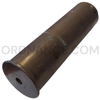
F.A. 1906 U.S. 57mm 6-Pounder Brass Cartridge Case, Cut Down to 9 Inches
Item Overview
This historic 6-pounder brass cartridge case is marked F.A. 1906, identifying Frankford Arsenal and the year 1906. It is associated with the early 57mm rapid-fire ammunition family used by American military forces. The case was later cut down to approximately 9 inches, so it is no longer in its original service-length configuration, but possibly modified for use as a blank/salute charge.
Identification and Features
Item type: Cut-down artillery cartridge case
Caliber family: 6-pounder or 57mm
Common cartridge family: 57x307mmR rapid-fire ammunition
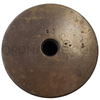
Headstamp: F.A. 1906
Manufacturer: Frankford Arsenal
Manufacturer location: Philadelphia, Pennsylvania
Manufacture date: 1906
Material: Brass
Present height: Approximately 9 inches
Configuration: Case only, shortened from its original length
Original Purpose
The case originally formed part of a fixed 6-pounder cartridge. A complete service round combined the cartridge case, primer, powder charge, and projectile as one loading unit. The term “6-pounder” described the approximate weight of the projectile rather than the weight of the complete cartridge.
Weapons-System History
Military forces adopted 57mm rapid-fire guns during the late 1800s as a defense against torpedo boats and other small, fast targets. The American 6-pounder family included Hotchkiss, Driggs-Schroeder, and related gun patterns used on ships and in coastal fortifications. U.S. Army records also document 6-pounder rapid-fire guns mounted behind parapets at harbor-defense positions.
History of Use
Six-pounder rapid-fire guns protected harbor entrances, defensive minefields, shore installations, and military vessels. Their fixed ammunition allowed crews to load and fire more quickly than older artillery systems that used separate projectiles and powder charges. The guns also supported training, signaling, and ceremonial duties, although the original loading of this individual case is unknown.
Frankford Arsenal History
Frankford Arsenal was a major U.S. Army ammunition development and production center in Philadelphia. It manufactured cartridge cases, primers, projectiles, and other ammunition components for small arms and artillery. The 1906 date places this case within an important period when the Army was improving rapid-fire weapons and modern fixed ammunition for coastal defense.
Modification and Condition
This case has been cut down to approximately 9 inches and should not be mistaken for an unaltered service case. The date and reason for the modification are unknown, but shortened artillery cases were often kept as displays, containers, or military souvenirs. Expect age-related tarnish, patina, scratches, dents, tool marks, staining, and wear around the cut edge and headstamp. This collectible case is not represented as suitable for loading or firing.
Ideal For
This early 20th-century case is well suited for 57mm ammunition collections, U.S. Coast Artillery displays, Frankford Arsenal collections, military-history exhibits, restoration research, or decorative display. Exact compatibility with a particular 6-pounder gun model should be confirmed through complete case measurements and markings.
Approx length 9", Approx width 3", Approx height 3", Approx weight 1.4lbs.
Pictures are stock images of our inventory. Unless otherwise noted, you will not be receiving the exact item shown in the pictures. The pictures are representative of the item’s general condition. The item you receive might be slightly better, or worse, condition than was shown in the pictures.
Please visit our page about order lead times here: Order Lead Times.