






Description
Computer Instruments Type 6000 Airspeed Transducer for M5 40mm Armament System, P/N 11697895
Item Overview
This Computer Instruments Corp. Type 6000 airspeed transducer was used with the M5 40mm grenade-launcher armament subsystem installed on UH-1B and UH-1C Huey helicopters.
The transducer measured the pressure difference between the aircraft’s pitot and static systems. It converted that information into an electrical airspeed signal for the M5 armament electronics. It did not operate the helicopter’s cockpit airspeed display.
This original military unit has a calibrated range of 0 to 150 knots and contains a 10 kΩ potentiometer element. Its July 1968 date places it within the Vietnam War period.
Identification and Features
- Official item: Airspeed Transducer
- Manufacturer: Computer Instruments Corp.
- Manufacturer location: Hempstead, New York
- Type: 6000
- Army drawing/part number: 11697895
- NSN: 1010-00-878-7763
- Date marking: July 1968
- Calibrated range: 0–150 knots
- Electrical element: 10 kΩ potentiometer
- Electrical connection: Connector J1
- Pneumatic connections: Pitot-pressure and static-pressure ports
- Mounting plate: Approximately 3.210 inches square
- Mounting holes: Four holes, approximately 0.145 inch in diameter
- Parent system: M5 40mm grenade-launcher armament subsystem
- Applicable aircraft: UH-1B and UH-1C Iroquois helicopters
- Installation location: Radio-rack shelf inside the helicopter’s electronic-equipment compartment
Some packaging may appear to show stock number 1010-978-7763. The cataloged NSN connected with Type 6000 and part number 11697895 is 1010-00-878-7763.
How It Worked
The pitot port received pressure from the aircraft’s pitot system, while the static port received outside atmospheric pressure. The difference between these pressures changed as the helicopter’s airspeed changed.
The transducer converted that pressure difference into an electrical signal through its internal potentiometer. Connector J1 carried the airspeed data to the M5 armament electronics.
The Army manual states that the unit supplied airspeed information to the subsystem’s electronic components. This information supported speed-related aiming correction and automatic lead compensation. Aircraft speed affected where a fired grenade would travel, so this input helped the system calculate a more accurate aiming solution.
Historical Background
The U.S. Army developed the M5 armament subsystem during the 1960s for armed Huey helicopters. It placed an M75 automatic 40mm grenade launcher in a movable turret beneath the helicopter’s nose.
The turret allowed the crew to aim the launcher across a wide area below and ahead of the aircraft. The complete system included the launcher, ammunition equipment, sighting controls, electric drives, and electronic components.
The M5 was installed mainly on UH-1B and UH-1C gunships during the Vietnam War. These helicopters provided close support, escorted troop aircraft, and attacked enemy positions. The 40mm launcher gave them effective area-fire capability against troops, vehicles, and light defensive positions.
Accurate fire from a moving helicopter required more than simply pointing the weapon at a target. The aiming system had to account for aircraft movement and airspeed. The Type 6000 transducer supplied the electronic airspeed data needed for this part of the calculation.
Condition
This is an original military-surplus airspeed transducer with a July 1968 date marking. It may show finish wear, scratches, discoloration, oxidation, aged fittings, or other signs of handling and long-term storage.
Operational condition and calibration are not guaranteed unless specifically stated on the product page. This historic component is not represented as inspected or certified for installation in an airworthy aircraft. Please review the product pictures for the represented condition, markings, and included parts.
This listing is for the airspeed transducer shown or represented in the product pictures. The helicopter, M5 subsystem, M75 launcher, wiring, pressure hoses, test equipment, and other components are not included unless pictured or specifically stated.
Ideal For
- UH-1B and UH-1C Huey restoration projects
- M5 and M75 armament-system displays
- Vietnam War aviation collections
- Aircraft instrumentation collections
- Helicopter gunship exhibits
- Military museums and educational displays
- U.S. Army aviation-electronics research
Approx length 6", Approx width 5", Approx height 5", Approx weight 1 lbs.
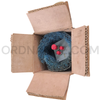
Pictures are stock images of our inventory. Unless otherwise noted, you will not be receiving the exact item shown in the pictures. The pictures are representative of the item's general condition. The item you receive might be slightly better, or worse, condition than was shown in the pictures.
Please visit our page about order lead times here: Order Lead Times