





Description
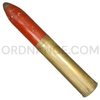
U.S. 4.7-Inch 60-Pound Common Shrapnel Projectile with Brass Cartridge Case for the M1906 Field Gun
Product Overview
This U.S. 4.7-inch common shrapnel projectile is assembled with a brass cartridge case for the Model 1906 field gun. A nose fuze consistent with the period combination type is fitted to the projectile. The case-head markings identify the gun, manufacturer, and manufacturing lot. The assembly suits a collection focused on American artillery equipment developed before and used during the First World War.
Identification and Features
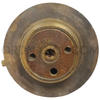
The case carries the following identifying markings. The apparent date remains a tentative reading, while the caliber, model designation, manufacturer, and lot number provide firmer identification.
- “4.7 In. Gun”: Identifies the caliber and intended weapon type.
- “Model of 1906”: The model designation stamped on the cartridge case.
- “M.C & B. Co”: Cartridge-case manufacturer.
- “Lot 4932”: Identifies the case manufacturing batch.
- Apparent “1916” date: A possible manufacturing year; this reading is less certain.
- Assembly: Common shrapnel projectile with nose fuze and brass cartridge case.
Function
In its original service configuration, the projectile carried 711 preformed shrapnel balls for use against exposed troops. When it functioned, the charge expelled the head and drove the balls forward, while the main steel body generally remained intact. The central tube connected the nose fuze with the base charge. The handbook’s 60-pound figure refers to the original loaded projectile, including its fuze; the brass cartridge case was an additional component of the complete round.
Nose Fuze
The fitted fuze is consistent with the 31-second combination time-and-percussion type specified for this ammunition. In service, this design provided timed action during flight and percussion action on impact. Period Army references document a 31-second Model 1907M combination fuze, although the exact model fitted to this assembly remains provisional. The fuze designation and the Model 1906 case marking refer to separate components.
Documented End-Item Application
The documented application is the U.S. 4.7-inch field gun, Model 1906. Its fixed ammunition combined the projectile and metallic cartridge case into one unit for handling and loading. The case held the propelling charge, while the shrapnel projectile carried the ball filling. This assembled example shows the relationship between those major components in the ammunition supplied for the gun.
Product History
The M1906 ammunition family was established before World War I and remained covered in the Army’s revised 1917 handbook. The case’s 1916 date, fits the period of American military preparation before entry into the war in April 1917. Its lot marking preserves a record of manufacturing control within that ammunition supply system, giving the case historical value alongside the projectile.
Equipment History
The American-designed M1906 field gun was developed to provide heavier projectiles and greater reach than lighter field artillery. The War Department recorded 60 guns in service when the United States entered World War I. Wartime orders then expanded production of guns, carriages, and supporting equipment. The program formed part of the Army’s effort to equip a much larger force for service overseas.
Weapon-System Background
The gun used a long-recoil carriage, with hydraulic resistance absorbing recoil and springs returning the barrel to its firing position. A breech mechanism, sights, and range quadrant supported loading and aiming. Limbers and ammunition vehicles helped move and supply the battery. This combination of gun, ammunition, transport, and trained crews allowed the M1906 to operate as part of a mobile artillery force.
History of Use
M1906 guns were sent to France for service with the American Expeditionary Forces during World War I. The War Department’s production history records 64 complete 4.7-inch units shipped overseas by the war’s end. The gun was intended to extend the Army’s reach against enemy artillery and other battlefield targets. Its service connects this ammunition pattern with the American artillery program that supported operations on the Western Front.
Condition
All ordnance is inert. Please check the pictures for the general condition of the item.
Ideal For
This assembly suits collectors and institutions studying U.S. artillery ammunition, common shrapnel construction, and the military buildup surrounding World War I. The marked brass case provides an additional point of interest for production-history and ammunition-reference displays.
- U.S. Army artillery and First World War militaria collections.
- Museum displays associated with the M1906 field gun.
- Reference collections of shrapnel projectiles, cartridge cases, and combination fuzes.
- Historical exhibits on ammunition production and supply.
Approx length 32", Approx width 5", Approx height 5", Approx weight 29lbs.
Pictures are stock images of our inventory. Unless otherwise noted, you will not be receiving the exact item shown in the pictures. The pictures are representative of the item’s general condition. The item you receive might be slightly better, or worse, condition than was shown in the pictures.
Please visit our page about order lead times here: Order Lead Times.