








Description
German 37mm Armor-Piercing Tracer Round for the Pak 35/36
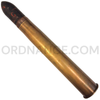
This inert German 37x249mm round combines a black-painted projectile with surviving red stenciling, a marked brass case, and a base fuze dated 1938. It is the 3.7cm Pzgr. Patr., an armor-piercing high-explosive tracer loading used by the Pak 35/36 antitank gun. Its prewar component markings offer particular interest for collectors studying German ammunition production before the Second World War.
Identification and Markings
The round includes the projectile, brass case, base-fuze unit, and fitted case primer. The cartridge is commonly identified as 37x249R; some military reference works list the same German Pak cartridge family as 37x250R. Readable markings include:
- Case head: “3,7 cm Pak,” “6331,” “P152,” and “G.”
- Additional case stamps: “14” and a bracketed “B78.”
- Primer: “C/13nA,” “1937,” and “100.”
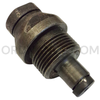
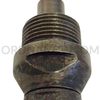
- Base fuze: “1938” stamped on a recessed wrench flat.
- Projectile: partial red lettering and numbers over black paint
Armor-Piercing Projectile and Base Fuze
The service projectile had a hardened steel body with a solid, pointed nose and a small rear cavity for its bursting charge. It was an uncapped armor-piercing shell, with the fuze fitted at the base. The broad copper driving band engaged the gun’s rifling, while the tracer helped the crew follow the projectile’s flight. The fuze has the external form of the Bd.Z. 5103 family, which combined a base fuze with a rear tracer.
Brass Case and Percussion Primer
The rimmed brass case carries the German case designation 6331 and the Pak application marking. Its “G” year code indicates 1935, from the German system that used letters to conceal ammunition manufacturing years. A January 1936 order ended that practice and restored ordinary year markings. The fitted C/13nA is a percussion primer of the type documented for this Pak loading.
Development and Service of the Pak 35/36
Rheinmetall’s 3.7cm Pak grew from German antitank development begun in the 1920s. Initial design work dates to 1924, with the developed weapon operational by 1934. It saw combat during the Spanish Civil War and became the German Army’s standard antitank gun at the beginning of the Second World War. Its low carriage, protective shield, split trails, and pneumatic tires suited a light gun intended to move with infantry formations. German infantry regiments fielded it as part of their own antitank equipment, usually towed by a vehicle. Its relatively low weight also suited airborne troops.
Heavier Armor and Later Ammunition
The Pak’s limitations became clear during the 1940 campaign in France, particularly against heavily armored Matilda and Char B tanks. Encounters with the Soviet T-34 added to the problem on the Eastern Front. Germany introduced other ammunition options, including the tungsten-core Pzgr. 40 and the Stielgranate 41 hollow-charge projectile, to extend the gun’s usefulness. This Pzgr. round represents the conventional steel-bodied ammunition used alongside those later developments. More powerful guns increasingly took over the main antitank role: first the 5cm Pak 38, followed by the 7.5cm Pak 40. Replacement was gradual, and the 1943 U.S. handbook still treated the 3.7cm Pak as a weapon likely to be encountered.
Condition
The brass case shows tarnish, dark spotting, scratches, and handling marks. The projectile retains substantial black paint and portions of its red stenciling, with paint loss, surface rust, and pitting. The copper driving band shows discoloration and surface marks. The exposed lower projectile surfaces and base fuze show finish wear and oxidation, while several stamped markings remain readable. All ordnance is inert. Please check the pictures for the general condition of the item.
Ideal For
Use this round to compare prewar German ammunition markings or to explain the Pak 35/36’s place in early WWII infantry antitank units.
- German Pak 35/36 ammunition collections and restoration displays.
- Museum exhibits on German antitank development and early WWII equipment.
- Comparative study of German case markings, primers, and base fuzes.
Approx length 13.25", Approx width 2", Approx height 2", Approx weight 2.5lbs.
Pictures are stock images of our inventory. Unless otherwise noted, you will not be receiving the exact item shown in the pictures. The pictures are representative of the item’s general condition. The item you receive might be slightly better, or worse, condition than was shown in the pictures.
Please visit our page about order lead times here: Order Lead Times.